April 30: The Day the Network Gets Tested
BEACON is a preparedness exercise. During an actual earthquake, wildfire, or other emergency, follow directives from Contra Costa County OES, MOFD, and law enforcement. Official alert channels (the county's Community Warning System, Genasys/Zonehaven) take priority over any neighborhood radio network. Use your training and your judgment, but defer to the professionals coordinating the response.
Imagine an 8.8 magnitude earthquake strikes along the San Andreas Fault. Buildings have collapsed. Infrastructure is down. Fires are spreading. And your phone has no signal.
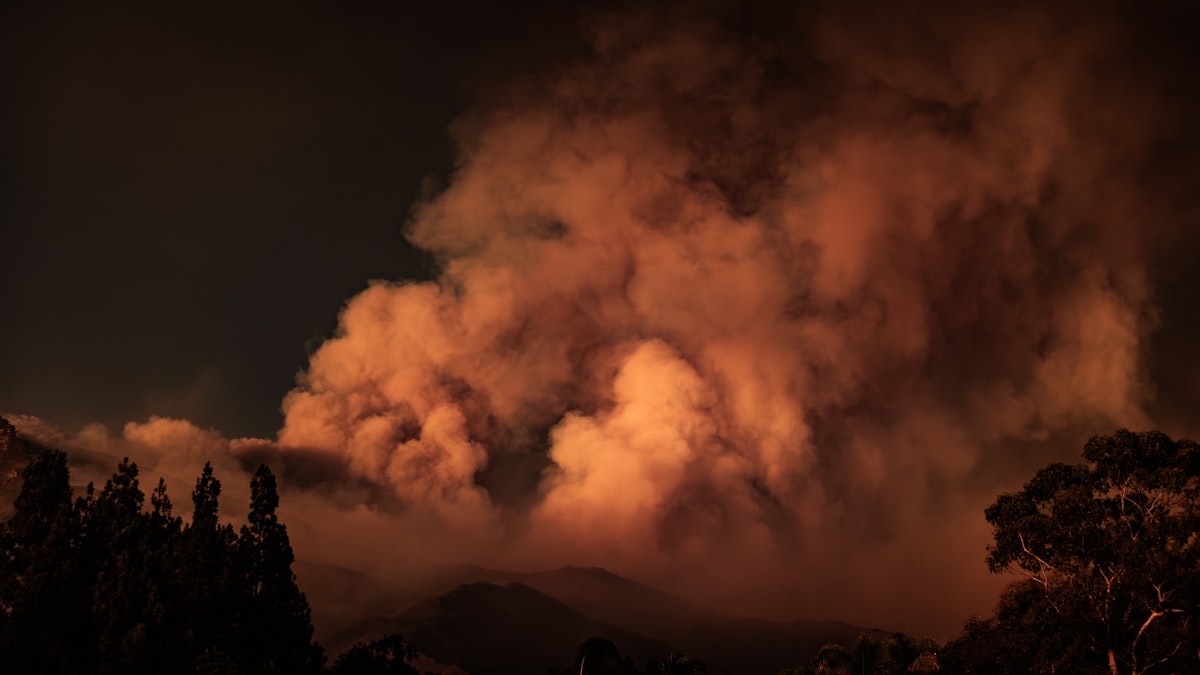
That is the scenario Lamorinda will rehearse on April 30, 2026, when the region runs a full-scale emergency communications exercise called BEACON: Building Emergency Area Communications, Operations, and Networks.
BEACON is not a drill for emergency professionals alone. It is a community-wide exercise involving amateur radio operators, CERT teams, Firewise neighborhood leaders, and residents, people who live on your street. The goal is to find out whether the neighborhood-to-county communications chain actually holds under pressure. Then fix what doesn't.
Why This Exercise Exists
When a major disaster hits, the systems most people rely on are often the first to fail. Cell towers get overloaded or lose power. Internet goes down. The alert apps on your phone go silent.
What survives, and what BEACON is designed to test, is a layered radio communications network that doesn't depend on commercial infrastructure. This network connects your neighborhood directly to Contra Costa County's Office of Emergency Services.
BEACON is part of the National Emergency Communications Plan, the federal framework for ensuring emergency responders and communities can communicate when conventional systems fail. The April 30 exercise will also work toward creating a FEMA Form 205 Communications Plan: the standardized document that formalizes how agencies coordinate during a disaster. (Source: Lamorinda Weekly, March 11, 2026, p. 6, by Sora O'Doherty)
How the Network Actually Works
The communications chain BEACON will test runs from the neighborhood level all the way to the county:
- CERT teams and Firewise neighborhood leaders gather priority information at the neighborhood level: who needs help, what damage exists, what resources are needed.
- That information travels up via GMRS repeaters (General Mobile Radio Service), a licensed but accessible radio band that doesn't require the amateur radio license of HAM.
- The MOFD Communications Support Team and LARIG (Lamorinda Amateur Radio Interest Group) receive those messages and relay them via HAM radio and WinLink to Contra Costa County OES and the Emergency Operations Center.
Each link in that chain only works if the people operating it actually know how to use their equipment. Which is exactly the problem the exercise is designed to address.
"Having a Radio Is Good, But Using It Is a Perishable Skill"
That phrase, cited in the original Lamorinda Weekly coverage, captures the practical problem BEACON is trying to solve.
Over the past year, Fire Safe Moraga Orinda has donated radios to Firewise neighborhoods across the area. That's meaningful progress. Radios sitting in a drawer, operated by people who last practiced two years ago, are a different matter.
Radio operation, tuning to the right frequency, knowing the protocol, making a clear and useful transmission under stress, degrades without practice. BEACON creates a structured opportunity to practice those skills before the real thing. The exercise tests equipment, yes, but it's really testing the people and the procedures.
If your neighborhood has received radios through Fire Safe Moraga Orinda, April 30 is when you find out whether the investment translates into actual capability.
What BEACON Is Testing
The exercise has four stated objectives:
- Test the end-to-end communications chain from neighborhood to county: equipment, procedures, and coordination across multiple agencies
- Create a FEMA 205 Communications Plan that formalizes how this network operates during a declared disaster
- Practice perishable radio skills: the muscle memory of operating under simulated emergency conditions
- Coordinate across agencies, including CERT, MOFD, Firewise neighborhood leaders, LARIG, and Contra Costa County OES
The 8.8 earthquake scenario is deliberately severe. A Hayward Fault scenario is historically the more cited Bay Area threat, but the San Andreas scenario used here produces widespread, region-wide infrastructure damage, exactly the conditions where neighborhood-level communications become critical.
Who Should Participate
BEACON is open to:
- Amateur radio operators: HAM licensed operators who want to exercise alongside real emergency networks
- CERT team members: both trained members and those considering joining
- Firewise neighborhood leaders: especially those who have received radios and want to test them in a real exercise
- Interested residents: you don't need to be a ham operator or CERT member to participate
If you've been meaning to get more involved in your neighborhood's emergency preparedness, this is a concrete, time-bounded way to do it.
How to Register
To participate in the BEACON exercise on April 30:
Email: registrar@lamorindacert.org
Website: beaconexercise.org
Registration is required so organizers can route participants to the right teams and ensure the exercise reflects realistic capacity.
How This Fits the Bigger Picture
BEACON addresses a gap that most household preparedness checklists miss: neighborhood-level coordination.
You can have a 72-hour kit, a go-bag, and an evacuation plan, and still be isolated if your neighborhood has no way to communicate internally or relay information outward. The radio network BEACON is testing is the infrastructure layer that makes neighborhood-scale response possible.
This is also where Firewise neighborhood programs earn their keep. A Firewise community isn't just about defensible space and roof replacement. It's about building the organizational relationships and communication infrastructure that matter when things go wrong fast. During an active emergency, always follow official directives from MOFD, ConFire, and law enforcement. For detailed hardening guidance specific to your property, consult your local building department or a licensed fire-hardening contractor.
Go Deeper
If you want to build out your household's emergency communications readiness before April 30:
- Emergency Alert & Warning Systems: how the Community Warning System, Nixle, Zonehaven, and NOAA Radio fit together, and how to make sure your household is enrolled in all of them
- Neighborhood Communication Playbook: practical tools for neighborhood leads to build contact trees and outreach plans in their neighborhoods
- Lamorinda Evacuation Routes: neighborhood-by-neighborhood primary and alternate routes, including known bottlenecks
Next Step
Register for BEACON before April 30. Email registrar@lamorindacert.org or visit beaconexercise.org.
If you're not ready to participate in the exercise itself, use this as a prompt: check that your household is signed up for the Community Warning System and Zonehaven, and ask your neighborhood's Firewise leader whether your street has radios and a communications plan.
The exercise is one day. The network it's building is permanent.
Source: Sora O'Doherty, "BEACON Exercise Coming April 30," Lamorinda Weekly, March 11, 2026, p. 6.