If you live near Donald Drive in Orinda and noticed smoke low on the hillside on a weekday morning recently, you were not imagining it. Starting June 8, 2026, the Moraga-Orinda Fire District began prescribed burn operations at Orinda Oaks Park, and over the coming weeks, those burns will extend to ridgelines across Orinda and Moraga. This is planned, carefully coordinated fire. It is also genuinely good news.
Here is what is happening, why it matters, and what you should expect.
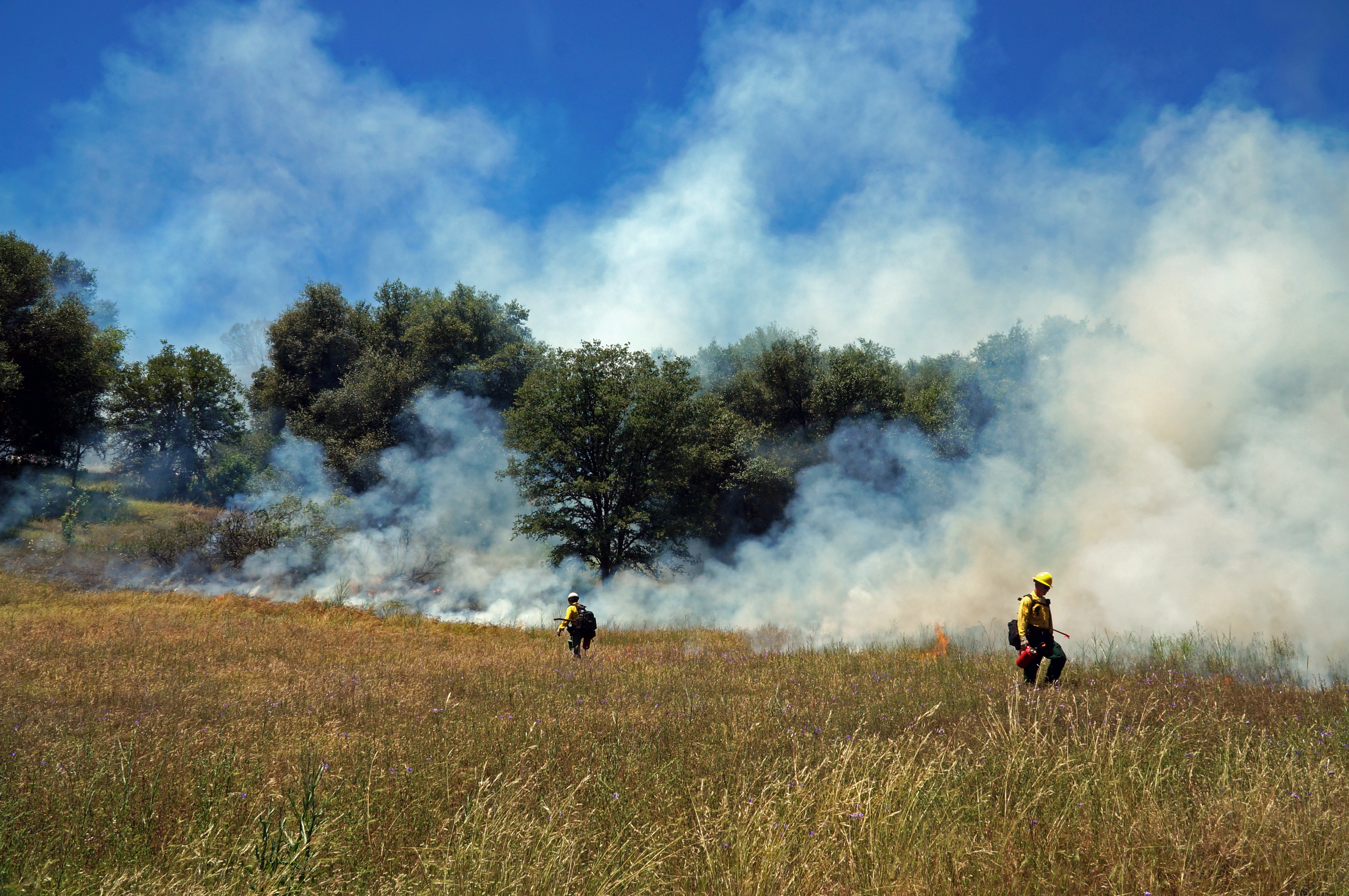
What Prescribed Fire Actually Is
Prescribed fire (also called a controlled burn) is the intentional application of fire to a defined area under specific weather and fuel conditions. Fire agencies use it as a land management tool to remove accumulated vegetation (the "fuel load") before a wildfire can do it on its own terms.
The key distinction from a wildfire is control: ignition timing, wind speed and direction, relative humidity, and crew positioning are all evaluated before a match is struck. Burn plans are reviewed and permitted through the Bay Area Air Quality Management District.
Compared to mechanical fuel reduction (hand crews cutting and hauling brush), prescribed fire treats a larger footprint faster, at lower cost per acre, and does something mechanical clearing cannot: it cycles nutrients back into the soil and resets conditions that favor native grasses over invasive brush. Research shows that areas treated with prescribed burns experience lower burn severity in subsequent wildfires than untreated areas.
Note: The general finding is well-supported in USFS and CAL FIRE research; specific percentages vary by study, fuel type, and region. Lamorinda-specific outcome data has not been published.
What MOFD Is Doing
MOFD's current project is focused on establishing and maintaining strategic fuel breaks along ridgelines in Orinda and Moraga. The first phase started June 8 at Orinda Oaks Park, treating vegetation approximately 100 feet downslope from the roadway. Daily operations run during the cooler morning hours and wrap up by noon.
The goals are specific and practical:
- Fuel breaks that slow fire spread along critical ridge corridors
- Improved evacuation routes, giving residents more time and safer road conditions during a fire event
- Safer operating space for firefighters, who need zones with reduced fuel intensity to stage and maneuver
- Native grassland health, as periodic fire suppresses invasive species and supports the native plant communities these hills evolved with
MOFD is coordinating the project with the Bay Area Air Quality Management District. Burns are weather-dependent: if conditions are unfavorable on a given morning, the operation is postponed. Per MOFD's burn plan, burns are also suspended during Red Flag Warnings: if a Red Flag Warning is active, no prescribed operations are underway.
A note on timing: prescribed burns in June are less common than late-winter or early-spring operations, and residents conditioned to associate summer smoke with wildfire danger may find the sight alarming. MOFD's air quality permits and burn conditions require the same weather criteria any time of year. The June timing reflects both the urgency of getting fuel breaks in place before the highest-risk months and favorable weather windows that opened early this season.
What Residents Should Expect
Smoke: You will likely see and smell smoke during morning burn windows, particularly if you live near Orinda Oaks Park or along ridgeline roads in Orinda and Moraga. This is expected and normal. The smoke is real. Take the same precautions you would during any smoke event.
During operations:
- Close windows and exterior doors while burning is underway
- Keep HVAC systems on recirculate if you have one. If you don't have central air conditioning, keep windows closed during peak morning smoke and use fans to circulate inside air rather than bringing outdoor air in. If anyone in your household has a respiratory condition, follow your doctor's smoke-day guidance, as recirculation may not be sufficient.
- Keep pets indoors during active burn periods
- Expect occasional fire equipment traffic on local roads near the burn area
- Drift smoke may linger in Orinda's valleys into the early afternoon after operations wrap up. This is normal and does not indicate an ongoing or active burn
If you see smoke or fire outside expected conditions: Prescribed burns are carefully managed, but no burn is risk-free. Escapes are rare but possible. During active morning burn windows, haze and drift smoke in the burn area are expected and you don't need to call 911 for that. But if anything looks wrong and you can't confirm it's part of the planned operation, call 911 immediately. Specific triggers: any rapidly growing or rising flame column; unexpected or unexplained smoke during evening, overnight, or weekend hours; or smoke on a day when MOFD's Nixle or NextDoor confirms no burns are scheduled. You don't need to judge whether fire has spread beyond the intended area. That is the dispatcher's job, not yours. When in doubt, call.
Stay informed via MOFD's Nixle alerts, their NextDoor agency posts, and the City of Orinda news feed.
Why Evacuation Corridor Safety Matters Here
Lamorinda's evacuation challenge is well-documented: limited road exits, high traffic density, and terrain that can drive unpredictable fire behavior. Fuel breaks along ridgelines address the corridor problem directly: when a fire front hits a treated zone, it slows, buying time for evacuation and suppression.
This is one of the few landscape-scale interventions homeowners cannot do on their own. It requires agency coordination, air quality permits, and trained crews. The burns do not eliminate fire risk, but they meaningfully change the math during a fast-moving event, and that is exactly what a fire district should be doing.
This Is Not a Substitute for Zone Zero
Fuel breaks protect the landscape between homes and approaching fire. They do not protect the structure itself. The ember transport problem (where a wildfire can loft ignition sources miles ahead of the flame front, per IBHS ember ignition research) is not solved by landscape fuel reduction alone.
The critical complement to what MOFD is doing in the hills is what you do at your house. The 0-to-5-foot perimeter around your home, Zone Zero, is where ember ignition most often begins. Combustible mulch, dry vegetation against the foundation, unscreened vents, and debris-filled gutters are risks that no ridgeline fuel break addresses. These are your job.
Prescribed burns and home hardening work together. Neither replaces the other.
Next Steps
- Defensible Space Zones: The 0-1-2 System: the complete zone-by-zone framework, from the foundation wall out to 100 feet
- MOFD Defensible Space Requirements for 2026: inspection schedule, what MOFD is looking for, and how to prepare before an inspector arrives
- Lamorinda Evacuation Routes: know your exits before you need them; the fuel break work MOFD is doing is most valuable if you also have a practiced plan
Sources: KRON4: Prescribed burn in Moraga, Orinda area | KRON4: Prescribed burn in Moraga, Orinda area | MOFD: Prescribed Fire Projects | MOFD Prescribed Fire Projects | CAL FIRE: Prescribed Fire
This article is published by Lamorinda Ready for educational and informational purposes only. It does not constitute professional, legal, engineering, or safety advice. Burn schedules and operational details described here reflect conditions as of June 2026. Consult MOFD's Nixle alerts and official communications for current status before acting on any schedule information. If you have concerns about smoke events or emergencies, follow the guidance of official agencies (MOFD, CAL FIRE) and emergency services. When in doubt, call 911.